
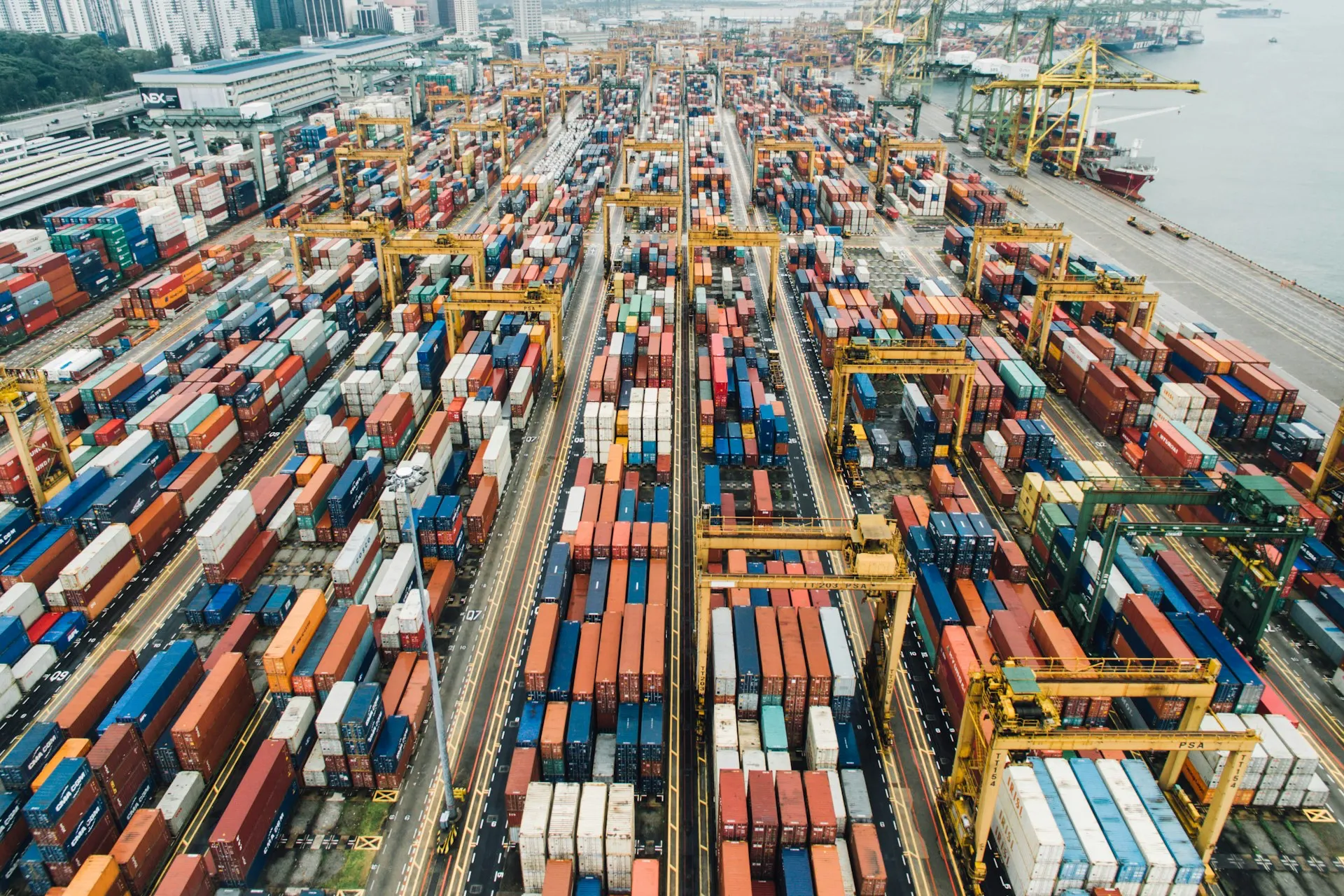
The way businesses buy from other businesses matters.
Every supplier you choose, every partner you work with, and every service you procure becomes part of your ethical supply chain whether you acknowledge it or not. For organisations that care about purpose, sustainability and long-term value, ethical supply chains aren’t just a “nice to have” – they’re a reflection of how a business operates at its core.
At Ethical Pixels, we operate on a value-first model. That means we prioritise long-term impact, quality and integrity over short-term cost savings. Wherever possible, we choose to work with ethical suppliers and partners who align with our values and approach. We even state as much in our Ethical Statement – a published promise to our clients, suppliers and partners.
Here, we explore what an ethical supply chain actually is, how purchasing patterns are changing, and why buying with purpose is increasingly essential for modern businesses.
What Is an Ethical Supply Chain?
An ethical supply chain is one where the businesses and suppliers you work with operate responsibly across social, environmental and governance dimensions. In simple terms, it means making conscious decisions about who you buy from, not just what you buy or how much it costs.
Ethical supply chains typically consider:
- Fair labour practices and working conditions
- Environmental impact and sustainability
- Transparency and accountability
- Responsible governance and business conduct
While the term is often associated with manufacturing or physical goods, the same principles apply to service-based supply chains, including digital, creative and professional services. Agencies, consultants, freelancers, platforms and SaaS providers all form part of a modern business’ supply ecosystem.
From Cost-First to Value-First Purchasing
Traditional procurement models tend to focus on one dominant factor: price. The cheapest supplier often wins, even if that decision introduces long-term risks, quality issues or ethical concerns.
A value-first purchasing model shifts this mindset. Instead of asking “Who is cheapest?”, businesses ask:
- Who shares our values?
- Who operates responsibly and transparently?
- Who will still be a strong partner in three or five years?
This approach doesn’t ignore cost, but it recognises that price alone is a poor measure of value. Ethical suppliers often deliver greater reliability, stronger collaboration and better outcomes over time.
Why Ethical Suppliers Are Becoming a Business Priority
1. Customers Care About Where Value Comes From
Consumers and clients are paying closer attention to how businesses operate behind the scenes. Ethical supply chains build trust, credibility and brand resilience, especially for organisations positioning themselves as purpose-led or socially responsible.
2. Ethical Supply Chains Reduce Risk
Working with unethical suppliers introduces reputational, legal and operational risk. Poor labour practices, environmental harm or opaque operations can quickly become your problem. Ethical sourcing is a form of risk management as much as it is a moral stance.
3. Better Partnerships, Not Just Transactions
Businesses that prioritise ethical partners tend to build longer-term relationships rather than short-term vendor arrangements. This leads to better communication, deeper understanding and more effective collaboration.
4. Alignment Drives Better Outcomes
When suppliers share your values, decision-making becomes easier. Expectations are clearer. Trade-offs are more honest. This alignment is especially important in service-based supply chains where trust and judgement play a major role.
Ethical Supply Chains in Service Businesses
Ethical supply chains are often discussed in the context of factories, raw materials and logistics. But for digital and professional services businesses, the supply chain looks different.
Your ethical supply chain might include:
- Software providers, data governance and hosting
- Designers, developers and consultants
- Marketing, PPC and SEO specialists
- Research, strategy and content partners
Each of these suppliers influences the quality, integrity and impact of the work you deliver to clients. Choosing ethical suppliers in these areas is just as important as choosing ethical manufacturers in physical industries.
How We Apply Ethical Supply Chain Thinking at Ethical Pixels®
Our approach to partnerships reflects our belief in ethical supply chains and value-first operations.
We don’t pretend to be a full-service agency. Instead, we focus on doing what we do exceptionally well, and we collaborate with trusted, ethical partners in areas where others are better placed to lead, such as marketing, PPC, SEO and specialist growth services.
This is the thinking behind our Collective Services offering.
Rather than bundling everything in-house or upselling services outside our core expertise, we work alongside carefully chosen partners who:
- Share our ethical outlook and values
- Are experts in their specific disciplines
- Operate transparently and responsibly
- Put client outcomes ahead of quick wins
This model allows clients to benefit from specialist expertise without compromising on ethics, quality or alignment. We’re also fully transparent with our clients about who does what – no introductory fees, kickbacks, incentives or anything to muddy the waters.
Ethical Supply Chains as a Competitive Advantage
Choosing ethical suppliers is no longer just about doing the right thing. It is increasingly a commercial advantage.
Businesses with ethical supply chains tend to be:
- More resilient during disruption
- More attractive to values-driven clients and talent
- Better positioned for regulatory and compliance changes
- Stronger in reputation and long-term trust
As expectations around sustainability, transparency and responsibility continue to rise, ethical supply chains will become a baseline rather than a differentiator.
Buying with Purpose Is a Strategic Choice
Every purchasing decision is a signal. It says something about what your business values, what it tolerates and what it prioritises.
Not to say an ethical supply chain about perfection. There will always be practical limitations and exceptions to the rule.
It is, however, about intent, accountability and continuous improvement. By choosing ethical suppliers and partners wherever possible, businesses can align their operations with their values and create impact beyond their immediate outputs.
For us, this approach isn’t marketing. It’s how we operate.
If you’re exploring how to build a more ethical supply chain within your digital, creative or professional services ecosystem, our Collective Services model is one way of putting those principles into practice.